
Four Material Platforms for Next-Generation Battery Development
Our product directions are designed to support advanced battery research, pilot-line exploration, and practical development needs across next-generation energy storage applications.
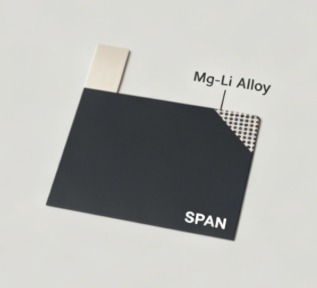
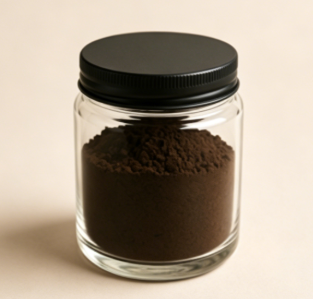
SPAN material is a cathode material for lithium-sulfur batteries, synthesized by sintering and reacting polyacrylonitrile (PAN) with elemental sulfur at 200–450°C. It appears as a dark brown powder with a sulfur content of approximately 45–50%, exhibiting excellent electrochemical stability and electrical conductivity.
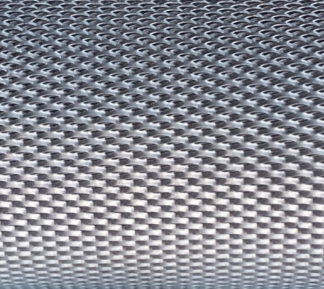
The Mg–Li Alloy 3D Current Collector is an ultra-lightweight, high-conductivity metallic scaffold engineered for lithium–sulfur, lithium–metal, and solid-state batteries.This addresses the fundamental limitation of lithium metal anodes by providing a dedicated current collector that enables long cycle life.

This product is a novel solid electrolyte tailored for high-performance battery applications. It features low interfacial impedance, effective suppression of lithium dendrite growth and polysulfide shuttling, high safety, excellent film-forming property and tunable performance. With great electrode compatibility, it can synergistically enhance the energy density and cycle lifespan of batteries.
Design your pouch cell with URT materials
Enter cathode loading, aluminum foil, separator, lithium and tab parameters to estimate capacity, mass, volume and cell-level energy density.